Bought Aperol or Campari: what to mix besides a syringe
Content 18+. Excessive alcohol consumption is harmful to your health.
Updated
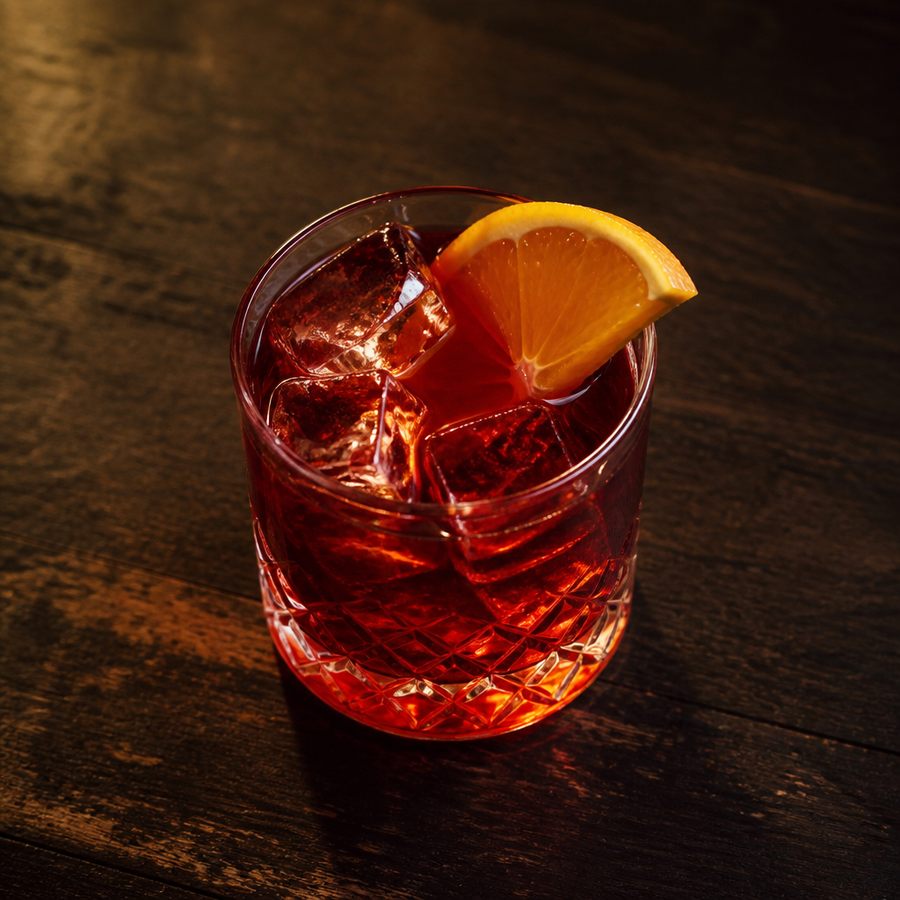
Italian bitter liqueur — the most common 'first bottle' in a home bar after vodka. Bought it for spritz at the dacha, made it a couple of times, and the bottle just sits there — and it sits there because it’s unclear what else to do with it. But there’s a lot you can do: a whole family of cocktails is built on Aperol and Campari, where one of the three positions changes, and the drink turns out completely different.
First, let’s sort out the bottles, because they’re constantly confused. Aperol was made by the Barbieri brothers in Padua in 1919: 11% ABV, orange with rhubarb, soft bitterness, noticeable sweetness. Campari is sixty years older — Gaspare Campari, around Milan, 1860s: about 25% and a bitterness of a completely different order, adult and quinine-like. Both bottles today belong to the same company, but that doesn’t make them interchangeable: where Campari sounds like a statement, Aperol is more of a suggestion.
Next — ten cocktails, from a six percent aperitif to strong classics. The ingredients and steps are those recorded in the recipes on 24cocktails.com. The order is by increasing strength, so you can go from top to bottom all evening.
1. Aperol Spritz (Aperol Spritz)
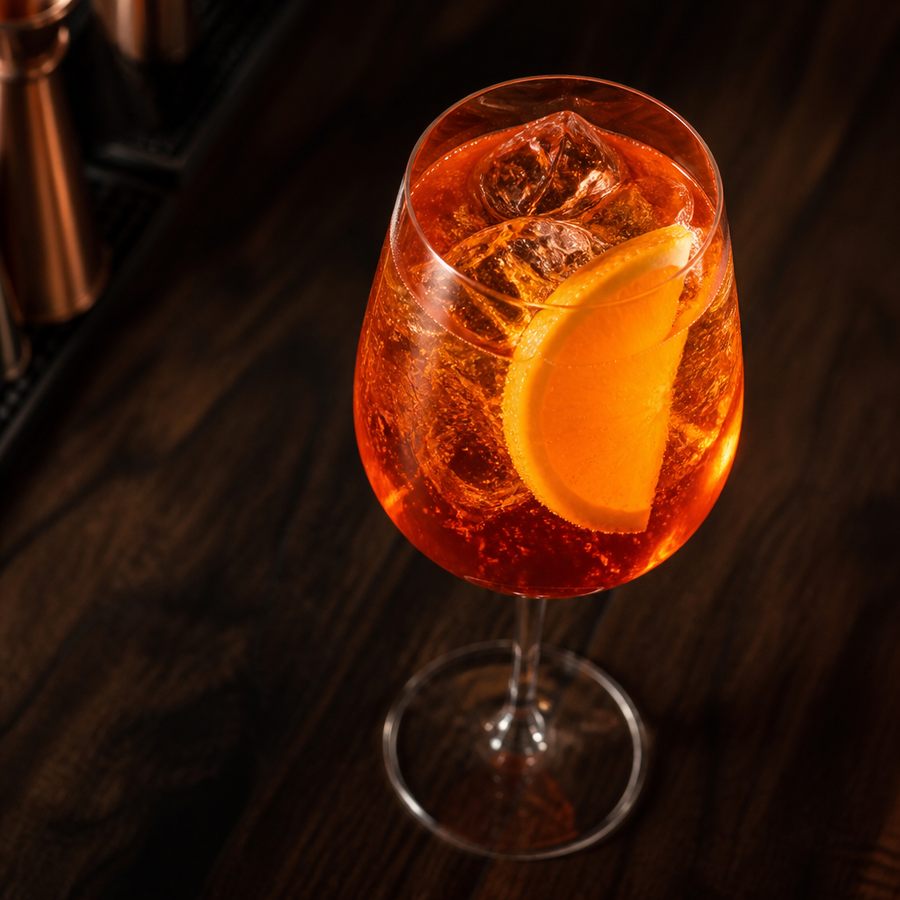
The one that started it all. The formula, known in Italy as '3-2-1', is simpler than any other on this list: three parts prosecco, two parts aperitivo, one part soda. The spritz has a long lineage that’s not entirely Italian: Austrian soldiers in Veneto in the 19th century would dilute the local wine with water — 'spritzing' it, hence the name. Aperol was added much later, and in this form, the drink took over the terraces of Europe.
Ingredients
- Prosecco — 90 ml
- Aperol — 60 ml
- Soda — 30 ml
How to make
- Fill a wine glass with ice.
- Pour in the prosecco.
- Add the Aperol.
- Top it off with soda.
- Garnish with a slice of orange.
Tip: Pour the prosecco first, not last — otherwise, the thick Aperol will settle at the bottom, and you'll have to stir it with a spoon, losing the fizz. And don't skimp on the ice: the glass should be full, not just 'with a couple of cubes.'
2. Americano
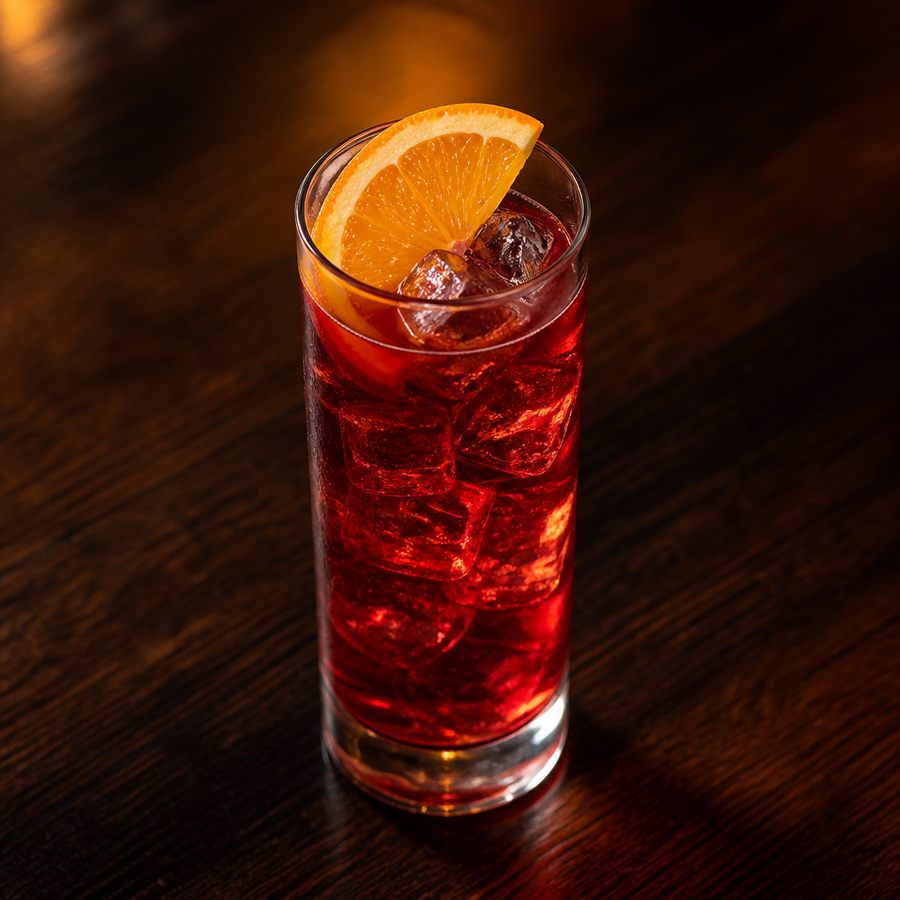
The ancestor of the whole family. It was originally called 'Milano-Torino' — named after the cities where its two bottles come from: Campari from Milan, vermouth from Turin. It was renamed 'Americano' in the early 20th century when it turned out that it was mostly American tourists ordering it. Six percent, bitter-sweet, with soda — the perfect aperitif in the sense that the word is understood in Italy: it opens the appetite, rather than closing the evening.
Ingredients
- Campari — 30 ml
- Sweet vermouth — 30 ml
- Soda — top up
- Orange and lemon zest — one twist each
How to prepare
- Fill the glass with ice.
- Pour in Campari.
- Add sweet vermouth.
- Top it off with soda.
- Stir and garnish with half an orange slice.
Tip: if the Americano seems boring to you, it's almost certainly the vermouth's fault. Go for a denser, 'bitter' style — and the drink will transform from simple to layered without adding a single degree.
3. Negroni Sbagliato
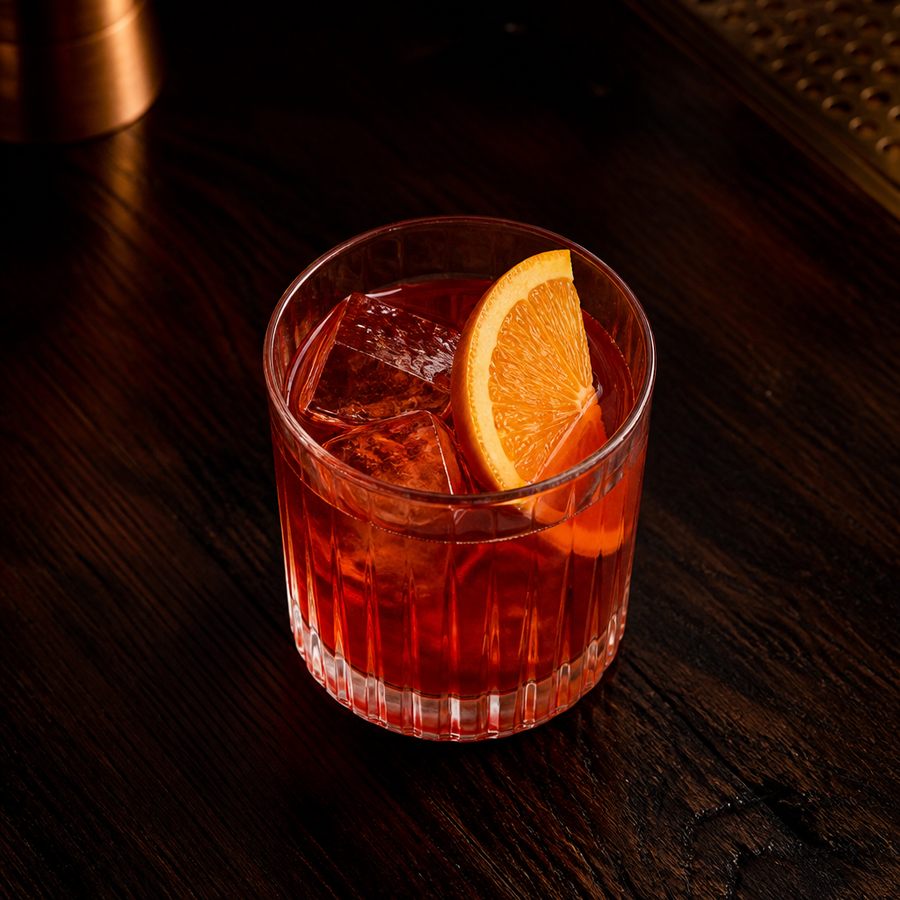
‘Sbagliato’ means ‘mistaken’. The legend of Milan's Bar Basso: bartender Mirko Stocchetto reached for gin in the seventies and accidentally grabbed a bottle of sparkling wine. The guest didn’t mind, the cocktail stayed on the menu, and half a century later it suddenly went viral — after an interview where actor Ewan Mitchell pronounced its name in a way that made the video spread all over the internet. Seven percent: the easiest way to try a Negroni without risking your evening.
Ingredients
- Campari — 30 ml
- Sweet vermouth — 30 ml
- Sparkling wine — 60 ml
How to make it
- Pour the Campari and vermouth into a glass with ice.
- Top it off with the sparkling wine.
- Gently stir and garnish with a slice of orange.
Tip: use a dry sparkling wine here and pour it in at the end, down the side. Sweet Prosecco will turn the bitter base into a fruit punch — and the whole point of a Sbagliato is that it stays bitter, just becomes lighter.
4. Negroni
Florence, 1919, Caffè Casoni. Count Camillo Negroni, back from America, asked for a stronger Americano — to replace the soda with gin. The bartender swapped it out and added an orange instead of a lemon to distinguish the order. Thus, from an aperitif at six percent, a cocktail at nineteen was born, and from a family story — the most recognizable bitter cocktail on the planet. Three ingredients in equal parts, no unnecessary movements.
Ingredients
- Gin — 30 ml
- Campari — 30 ml
- Sweet vermouth — 30 ml
How to make
- Fill an old-fashioned glass with ice cubes.
- Pour in the gin, Campari, and sweet vermouth.
- Stir with a bar spoon.
- Garnish with an orange slice.
Tip: Equal parts are not a dogma, but a starting point. If it seems bitter — try 30/25/35 in favor of the vermouth; if it seems sweet — the opposite. You can and should adjust the proportions here, but you can't reduce the ingredients.
5. Mezcal Negroni
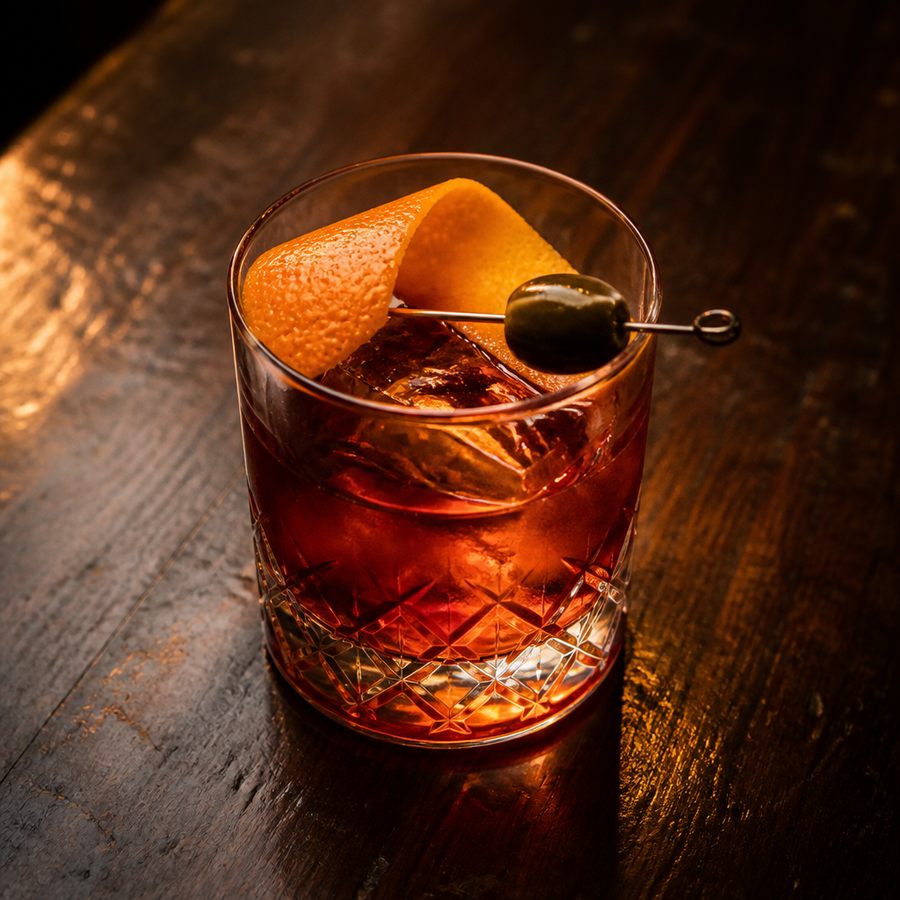
The most successful of modern substitutions: gin leaves, mezcal arrives, and the drink goes from Italian to Mexican without losing its structure. The smoke of the agave surprisingly complements the bitter chinotto of Campari — where gin added freshness, mezcal adds a campfire. If you’re already used to the regular Negroni and it no longer surprises you, start here.
Ingredients
- Mezcal — 30 ml
- Campari — 30 ml
- Sweet vermouth — 30 ml
How to prepare
- Pour all the ingredients into a glass with ice.
- Stir.
- Garnish with an orange peel and, if you like, an olive.
Advice: choose a mezcal that’s not the smokiest. Aggressive ‘campfire’ bottles completely overpower the vermouth; you need one where the smoke is a backdrop, not the main event.
6. White Negroni
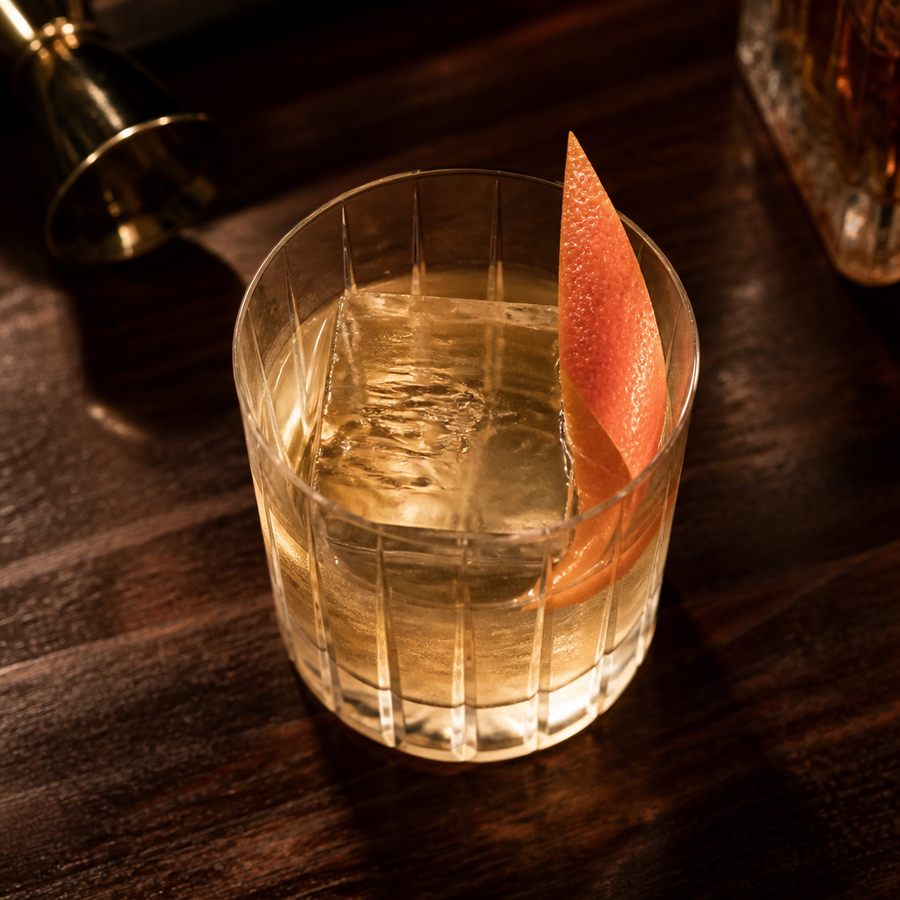
This is a Negroni that has neither Campari nor sweet vermouth—and yet it’s still a Negroni. Wayne Collins put it together in 2001 in France, at a show in Bordeaux, using what was local: bitter Suze made from gentian instead of Italian bitters and Lillet Blanc instead of vermouth. The bitterness turned out earthy, almost herbal, and the color was straw-like. A great way to understand that the formula is more important than the specific bottles.
Ingredients
- Gin — 30 ml
- Suze (gentian liqueur) — 30 ml
- Lillet Blanc — 30 ml
How to prepare
- Pour all the ingredients into a glass with ice.
- Stir.
- Garnish with pink grapefruit zest.
Tip: The grapefruit zest here is not just a garnish, but an ingredient: the bitterness without it comes off too dry and 'pharmaceutical.' Be sure to squeeze the oils over the glass.
7. Paper Plane
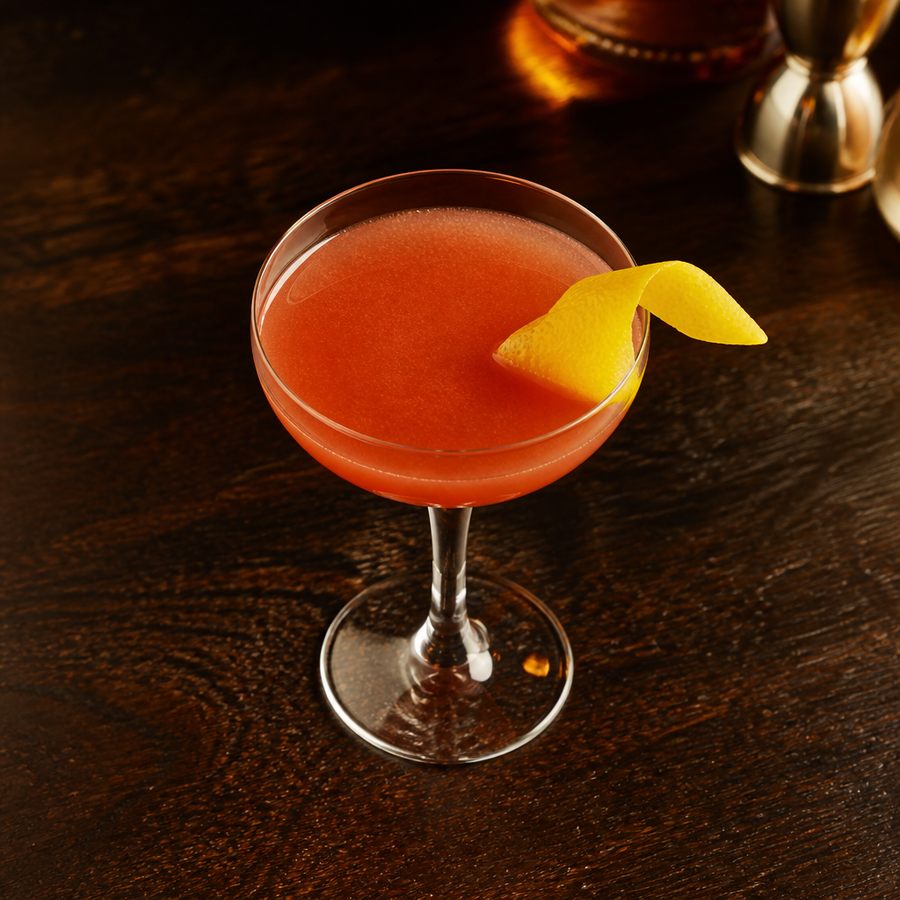
The only cocktail on the list that specifically requires Aperol, not Campari, and the best proof that a soft bottle can do more than just spritz. Sam Ross created it in the late 2000s for Chicago's The Violet Hour and named it after an M.I.A. song. Four ingredients in equal parts: bourbon, Aperol, Amaro Nonino, and lemon juice. The formula is desperately simple, the flavor is the most complex in the entire selection.
Ingredients
- Bourbon — 22.5 ml
- Aperol — 22.5 ml
- Amaro Nonino — 22.5 ml
- Lemon juice — 22.5 ml
How to make it
- Shake all the ingredients with ice.
- Strain into a chilled coupe glass.
- Garnish with lemon zest.
Tip: We can substitute amaro Nonino, but with some losses: any soft amaro based on grapes or herbs will do. But don’t swap Aperol for Campari — the bitterness will overpower, and the 'plane' won’t take off.
8. Cardinale
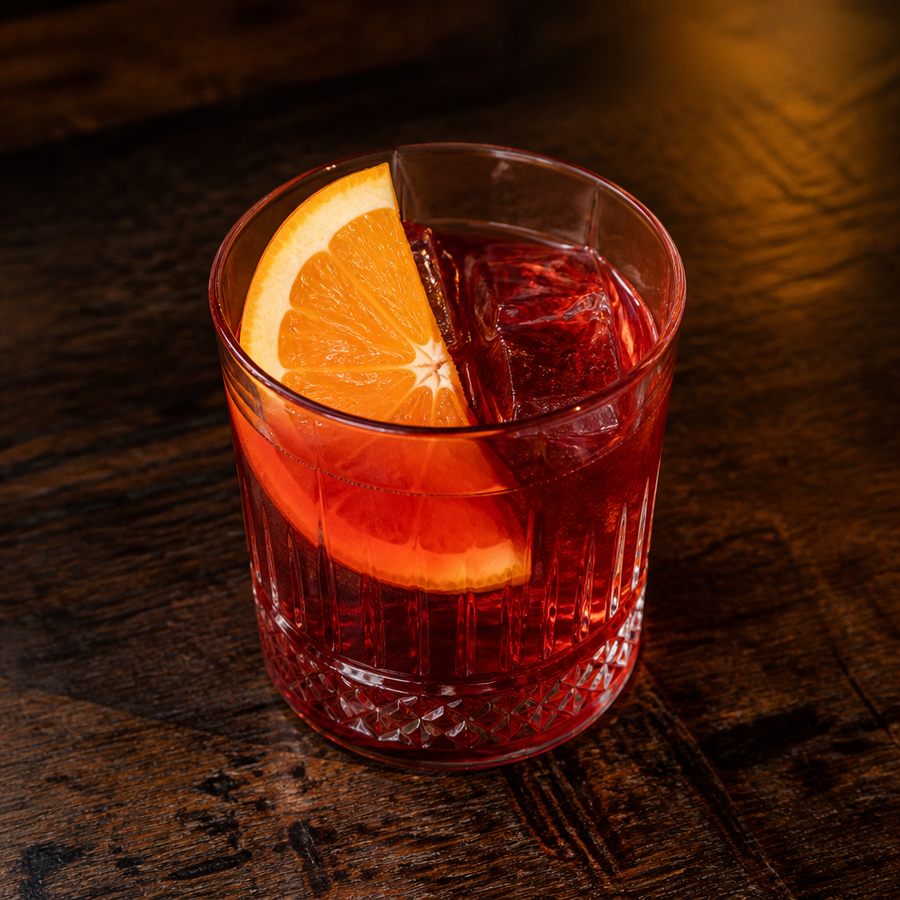
One substitution — sweet vermouth for dry — and the Negroni loses its roundness, becoming harsher, drier, and noticeably closer to a Martini. The name, according to one version, comes from the color of a cardinal's cassock, and according to another — from the person it was first poured for in a Roman hotel. Twenty percent and no sweetness: a cocktail for those who say 'I’d like something a bit more bitter.'
Ingredients
- Gin — 40 ml
- Campari — 40 ml
- Dry vermouth — 40 ml
How to make it
- Mix all the ingredients with ice.
- Strain into a glass filled with ice.
- Garnish with a slice of orange.
Tip: dry vermouth oxidizes faster than sweet — keep it in the fridge and buy it in small bottles. An opened bottle of 'dry' from six months ago is the main reason why a Boulevardier turns out flat.
9. Boulevardier
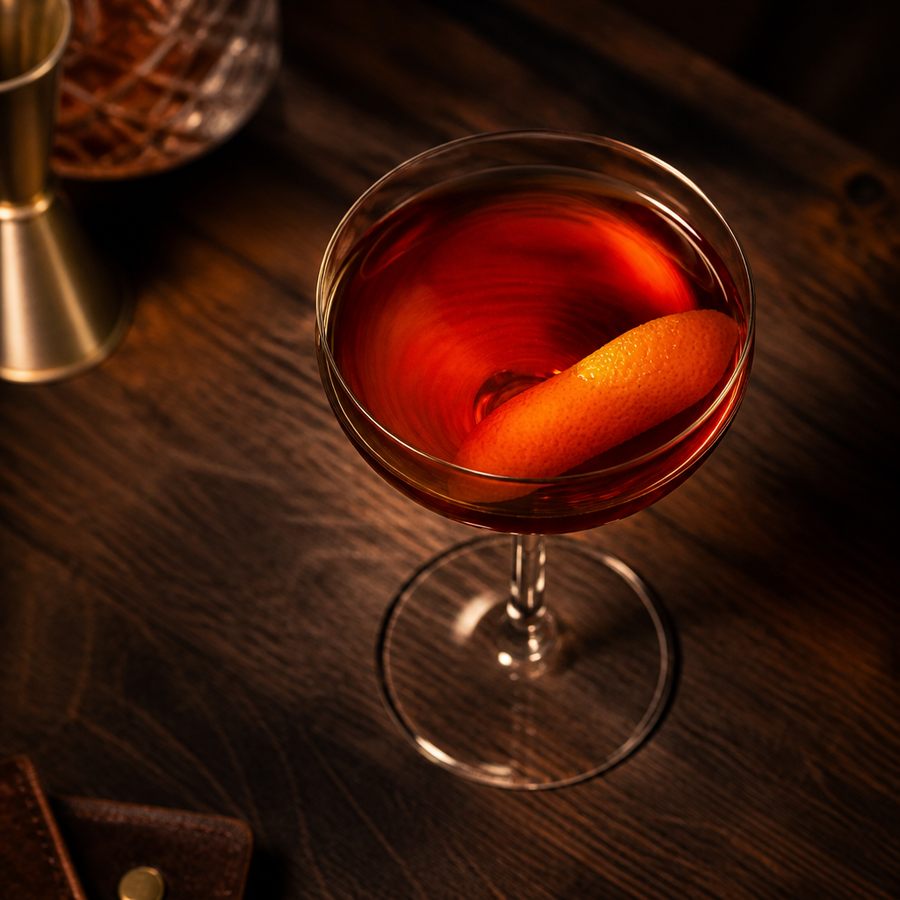
Paris, 1927. Erskine Gwynne, an American journalist publishing The Boulevardier in Paris, asked Harry MacElhone to make him a Negroni with bourbon — the recipe was printed in the book 'Barflies and Cocktails' that same year. The whiskey makes the drink smoother and sweeter than gin, so here the proportions usually lean towards the spirit: 45 to 30 and 30. An autumn-winter version of the Negroni, if that division speaks to you.
Ingredients
- Bourbon — 45 ml
- Campari — 30 ml
- Sweet vermouth — 30 ml
How to make
- Mix all the ingredients over ice.
- Strain into a chilled glass.
- Garnish as you like: with an orange slice, a lemon twist, or a cherry.
Tip: bourbon works better here than rye — it has more sweetness from the corn, which balances out the Campari. Save the rye for the next point.
10. Old Pal
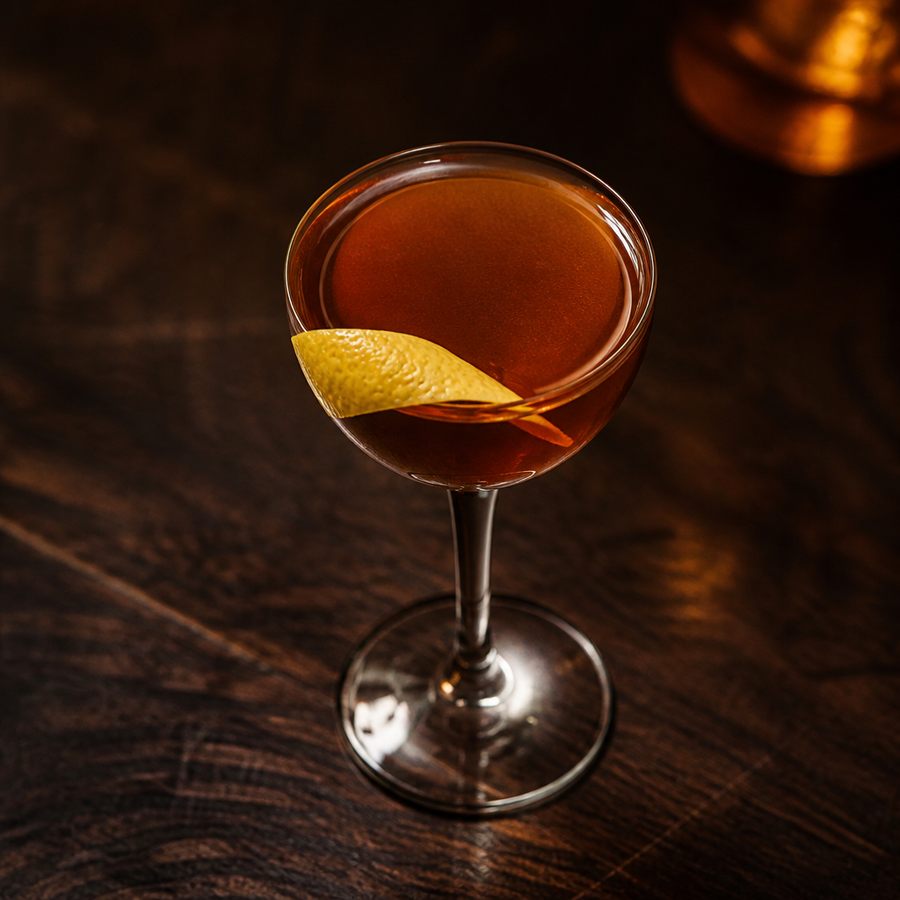
Same Paris bar of Harry MacElhone, same twenties — and the most severe version of the formula: rye whiskey instead of gin and dry vermouth instead of sweet. Twenty-three percent, not a gram of roundness, a spicy peppery note of rye over the quinine bitterness. Of all the family, this is the most 'grown-up' drink: you either love it right away or you never love it.
Ingredients
- Rye whiskey — 60 ml
- Campari — 30 ml
- Dry vermouth — 30 ml
How to make
- Chill a cocktail glass.
- Combine the ingredients in a mixing glass and fill it with ice two-thirds full.
- Stir for about 20 seconds.
- Strain into the chilled glass.
- Garnish with a twist of lemon peel.
Tip: stirring here isn’t for show. Twenty seconds on ice gives about 20% dilution with water — without it, the cocktail will burn at 23% instead of being sippable.
Look at the ingredients one more time, and you’ll see the structure of the whole family. There’s a basic trio of ‘bitter + vermouth + something third’, and then only one position changes: soda gives you an Americano, sparkling wine — a Sbagliato, gin — a Negroni, bourbon — a Boulevardier, rye with dry vermouth — an Old Pal, mezcal — the Mexican version. Buy one bottle of Campari and one vermouth, and you get access to six cocktails out of ten right away.
And if you have Aperol at home, start with a Spritz and finish with a Paper Plane — there’s a whole bar era between them, but the bottle is the same.
All cocktails are in the catalog →
Mark the bottles on your shelf — the site will show you what you can mix right now →