Cocktail map of the world: ten countries with their own drink
Material 18+. Excessive alcohol consumption is harmful to your health.
Updated
Every country has a dish that makes it recognizable. The same goes for cocktails, but it’s harder to notice: the bar menu in Moscow, Berlin, and Lima looks pretty much the same, and a Daiquiri sits next to a Sazerac as if they’re from the same hometown. But they’re from different continents, different centuries, and created for completely different reasons — one country was escaping the heat, another from malaria, and a third just wanted to impress hotel guests.
I’ve gathered ten cocktails, each of which can be pinpointed on a map. Not ‘inspired by’, not ‘in the style of’ — but those whose homeland is known by address, and sometimes even by the name of the creator. It turned into a round-the-world trip in ten glasses: the Caribbean, South America, Europe, the North Atlantic.
The proportions and steps are those recorded in the recipes on 24cocktails.com. We’re going from west to east and back again, starting in the Caribbean, where there are more cocktails per square kilometer than anywhere else.
1. Cuba — Daiquiri
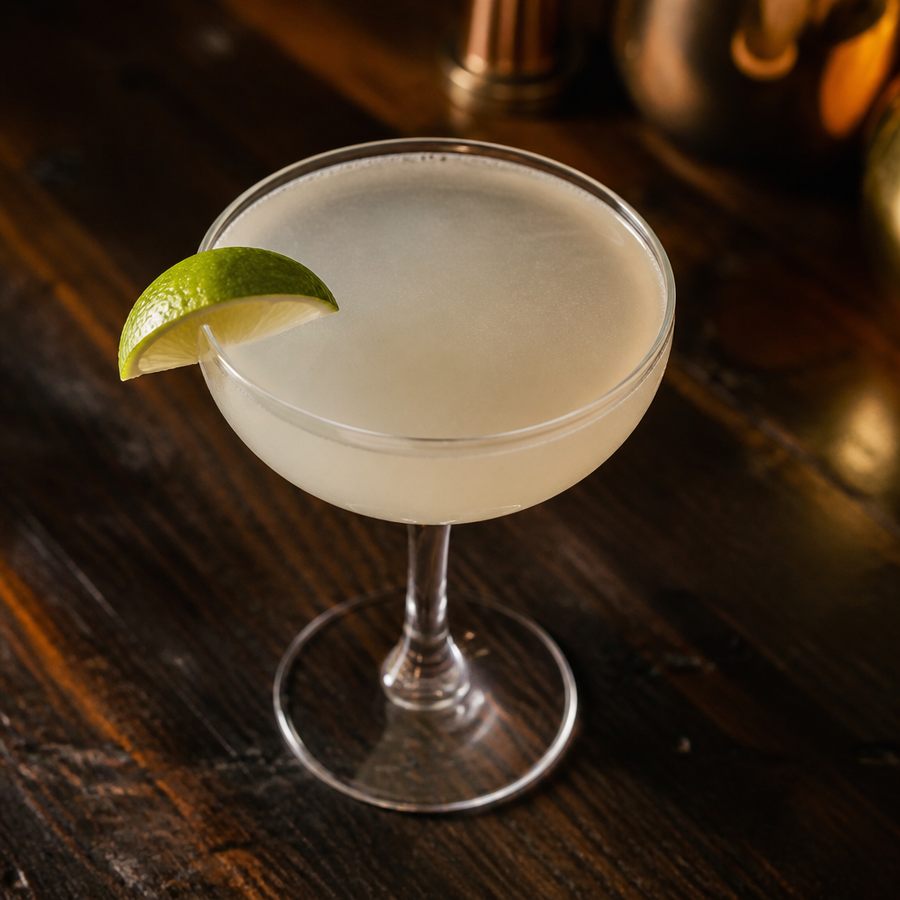
The point on the map is the iron mines of Daiquiri near Santiago de Cuba, the late 1890s. American mining engineer Jennings Cox, legend has it, ran out of gin for his guests and mixed what he had on hand: local rum, lime, and sugar. The formula turned out to be so right that it became the standard for an entire category: strong, sour, and sweet in balance. Hemingway, who lived in Havana, drank his version without sugar and with grapefruit — and ordered two at a time.
Ingredients
- White rum — 45 ml
- Lime — juice of half
- Powdered sugar — 5 ml
How to make it
- Pour all the ingredients into a shaker with ice cubes.
- Shake well.
- Strain into a chilled cocktail glass.
Tip: Daiquiri doesn't forgive bottled juice — all the flavor relies on fresh lime. And the glass should be ice-cold: a drink served without ice warms up in three minutes.
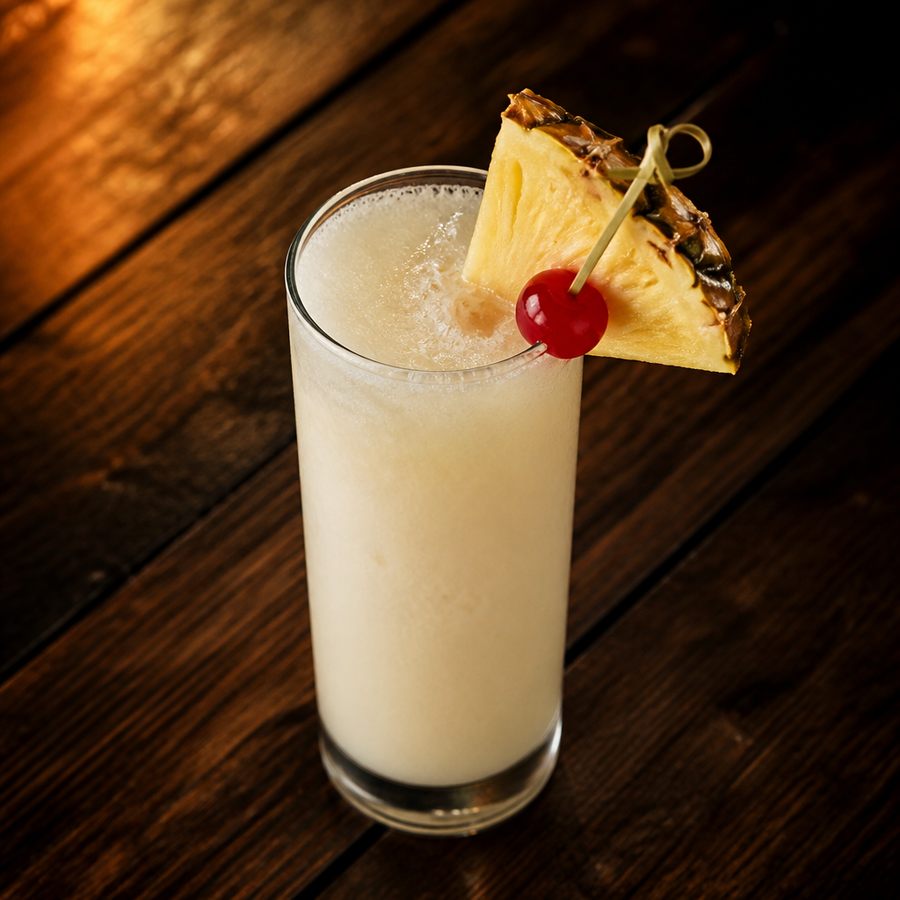
2. Puerto Rico — Piña Colada
The only cocktail on this list with official status: since 1978, Piña Colada has been the national drink of Puerto Rico. The author is considered to be Ramón Marrero, nicknamed Monchito, a bartender at the Caribe Hilton in San Juan; he worked on the recipe for three months in 1954 and settled on three ingredients. Coconut cream had just started being canned by then — without it, the cocktail would have been technically impossible.
Ingredients
- White rum — 50 ml
- Coconut cream — 40 ml
- Pineapple juice — 90 ml
How to prepare
- Put all the ingredients in a blender with crushed ice.
- Blend until you have a smooth, creamy texture.
- Pour into a hurricane glass.
- Garnish with a slice of pineapple and a cocktail umbrella.
Tip: coconut cream and coconut milk are not the same thing. You need the cream (cream of coconut), thick and sweet; using milk will result in a watery and bland drink.
3. Dark 'n Stormy
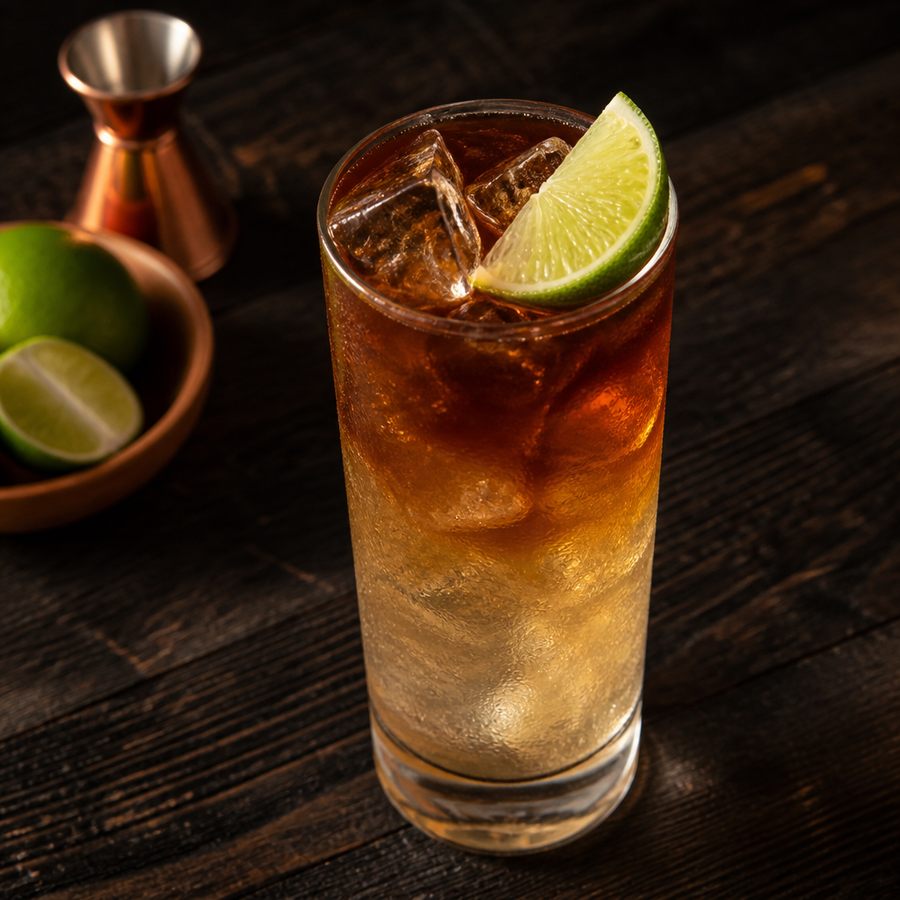
The most legally protected cocktail on the planet: the Gosling family from Bermuda trademarked the name, and by law, Dark 'n Stormy is only their black rum with ginger beer. It was born on the fleet: British sailors in Bermuda brewed ginger beer, added local rum, and someone among them came up with the name, looking at the color of the mixture and saying it looked like the sky under which no sane person would go to sea.
Ingredients
- Dark rum — 50 ml
- Ginger beer — 100 ml
How to make it
- Fill a highball glass with ice.
- Pour in the ginger beer.
- Carefully top it off with dark rum so it sits on top.
- Garnish with a lime wedge.
Tip: Rum is poured last and not stirred — that dark cloud over the light ginger beer is the ‘stormy’ look. Stir it, and you just get a brown highball.
4. Mexico — Paloma (Paloma)
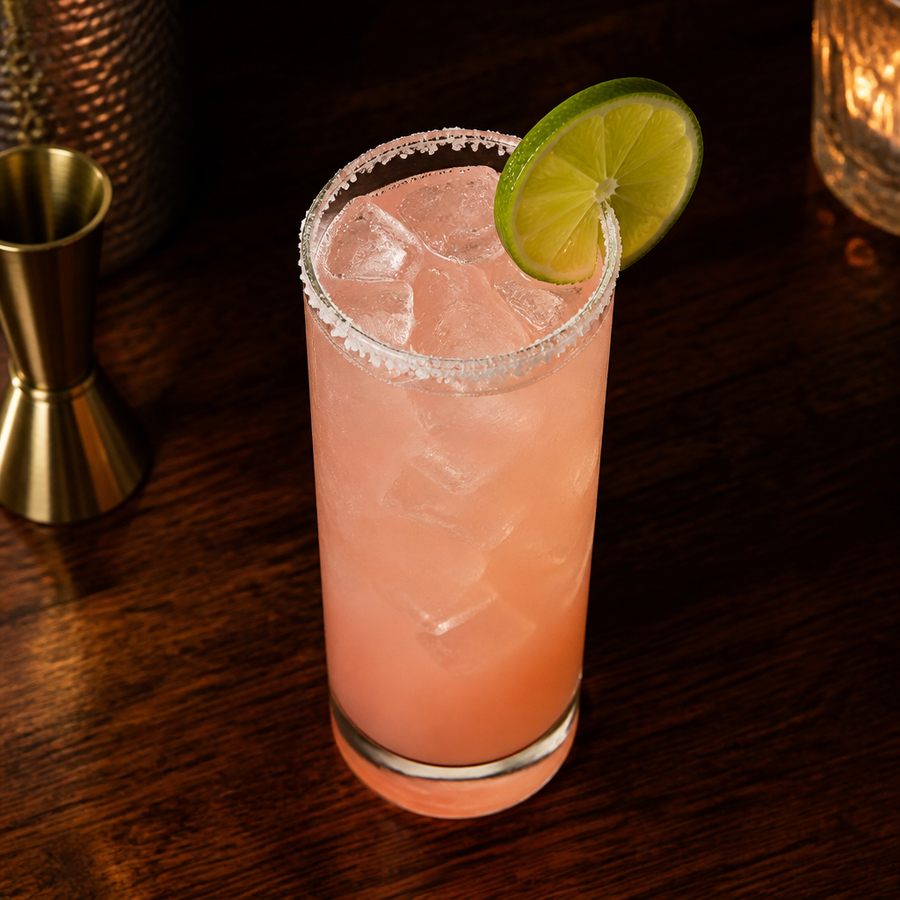
Margarita is what the world thinks of Mexico. Paloma is what they drink in Mexico itself: in sales, it confidently outpaces the Margarita in tequila's homeland. The credit is often given to Javier Delgado Corona from La Capilla bar in Tequila, but there’s little evidence — the drink likely came about on its own as soon as grapefruit soda started being sold in the country. 'Paloma' means 'dove.'
Ingredients
- Tequila — 45 ml
- Grapefruit soda — 90 ml
How to make
- Fill a Collins glass with ice.
- Add the tequila.
- Top up with grapefruit soda.
- Gently stir.
- Garnish with a wedge of lime or grapefruit.
Tip: A salt rim on the glass is more appropriate here than in a Margarita: the salt draws out the bitterness of the grapefruit and makes the drink noticeably fuller. Use coarse salt, and only rim half the glass so the guest has a choice.
5. Brazil — Caipirinha
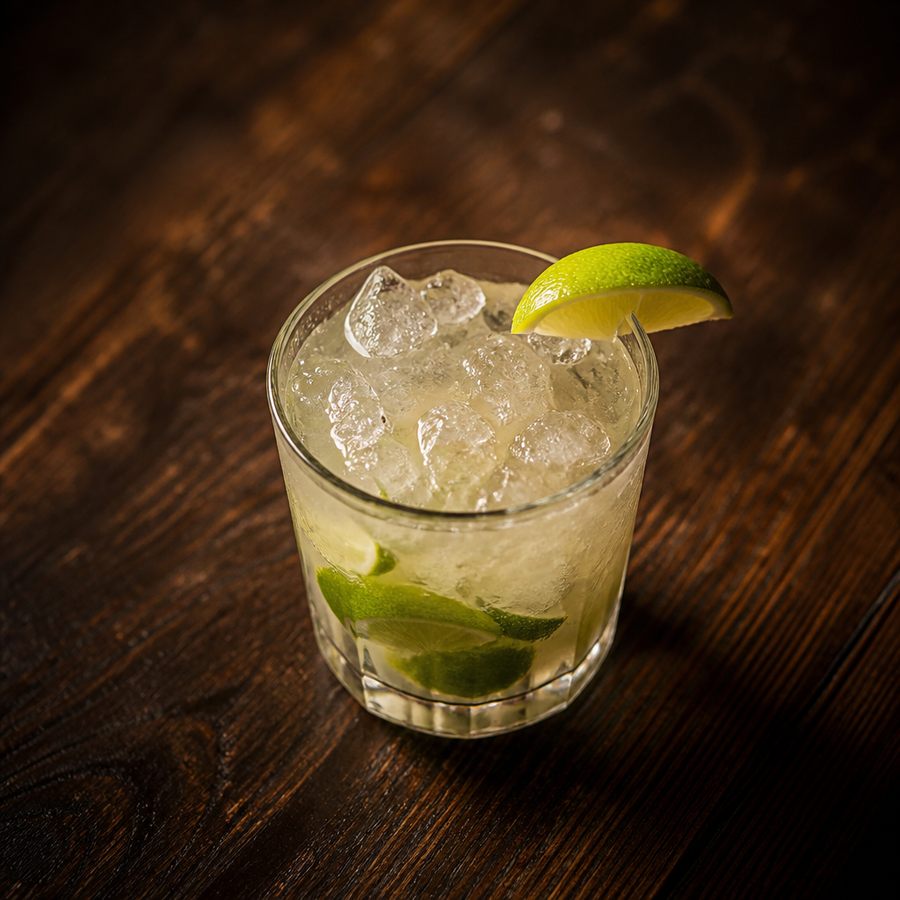
The national drink of Brazil, officially protected: according to Brazilian law, only a cocktail made with cachaça — a sugarcane distillate made from fresh juice, not molasses like rum — can be called a caipirinha. Its origin is domestic: it is believed that the mix of lime, sugar, and cachaça was used as a home remedy during the Spanish flu epidemic in 1918, and then the medicine outlived the illness. 26% — the strongest drink on this list, and you wouldn't know it from the taste.
Ingredients
- Cachaça — 75 ml
- Lime — 2 wedges
- Sugar — 10 ml
How to make
- Place the lime and sugar in an old-fashioned glass.
- Muddle the lime with the sugar using a muddler or a wooden spoon.
- Fill the glass with ice.
- Add the cachaça and stir.
Advice: Press the lime gently, without going overboard. If you press too hard, the white pith and skin release bitterness that you can't get rid of later — the goal is to extract the juice, not to pulverize the fruit.
6. Peru — Chilcano de Pisco
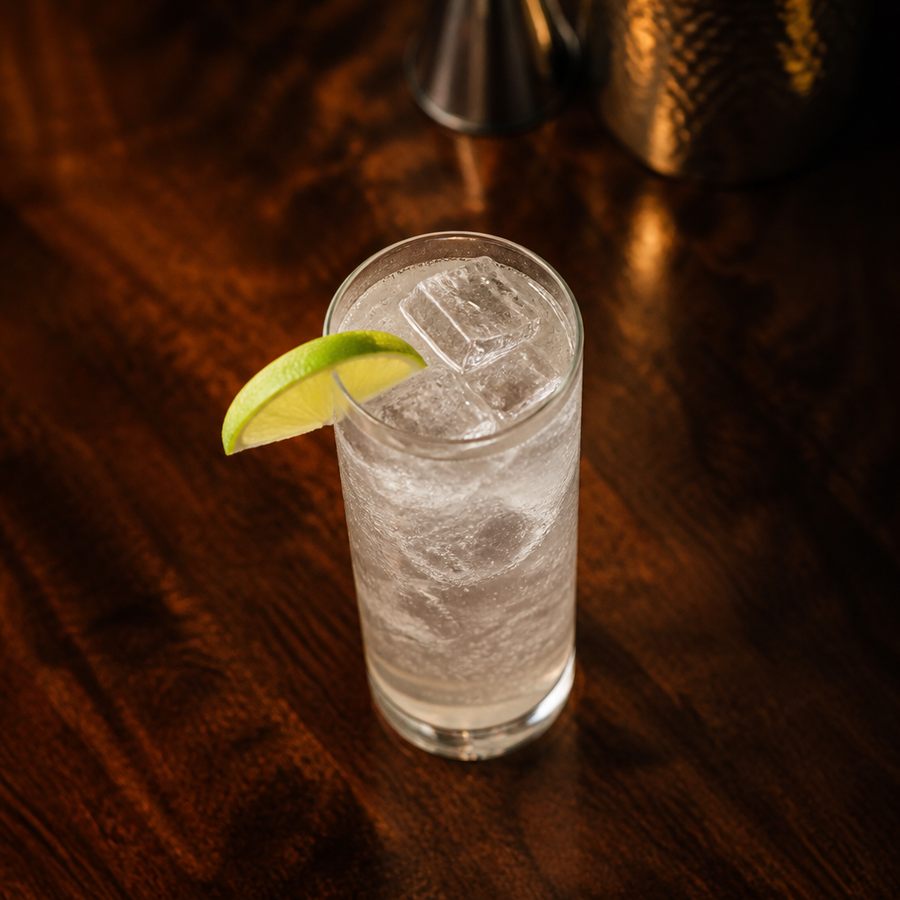
Everyone knows Pisco Sour, but Peruvians often drink this at home: pisco, ginger ale, lime, and a dash of bitters in a tall glass. The name comes from chilcano — a fish broth that cures hangovers in Peru; the logic is the same, just more pleasant. Pisco is an unaged grape distillate, and Peru still contests its right to the name with Chile; the dispute is at the ministerial level, but chilcano is definitely Peruvian.
Ingredients
- Pisco — 60 ml
- Lime juice — 7.5 ml
- Ginger ale — 105 ml
- Bitters (Amargo Chuncho or Angostura) — 2 dashes
How to prepare
- Pour all the ingredients into a glass with ice.
- Stir gently.
- Garnish with a lime wedge.
Tip: Ginger ale and ginger beer are not synonyms. Ale is supposed to be light and fizzy, and that's exactly what you need in a Sazerac: beer would overpower the grape aroma of the pisco.
7. USA, New Orleans — Sazerac
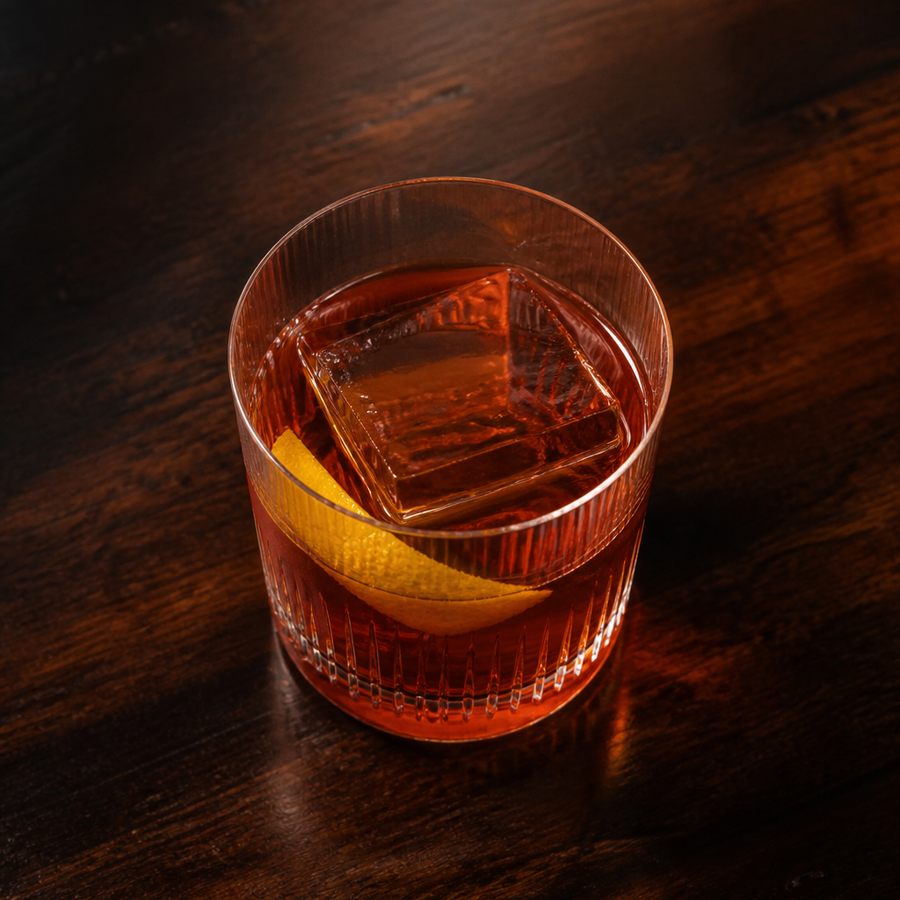
The official cocktail of New Orleans is established by a resolution of the Louisiana legislature from 2008. It all started at Antoine Peychaud's pharmacy, where in the 1830s he sold his own bitters and served it with Sazerac-de-Forge cognac; later, the cognac was replaced with rye whiskey — phylloxera wiped out the French vineyards, and cognac became expensive. The absinthe used to rinse the glass has remained since the days when it wasn't banned yet.
Ingredients
- Bourbon — 60 ml
- Absinthe (or Ricard) — 5 ml, for rinsing the glass
- Sugar — 1/2 tsp fine
- Peychaud's Bitters — 2 dashes
- Water — 5 ml
- Lemon peel — 1 twist
How to make it
- Chill an old-fashioned glass and rinse it with absinthe, then dump out the excess.
- In a mixing glass, combine the whiskey, sugar, water, and bitters with ice.
- Stir until chilled.
- Strain into the prepared glass.
- Express the lemon peel oil over the glass and garnish with it.
Tip: In a classic Sazerac, the peel is expressed over the glass and discarded, not dropped inside. You only need the scent of the oil at first — after that, it gets in the way.
8. Ireland — Irish Coffee
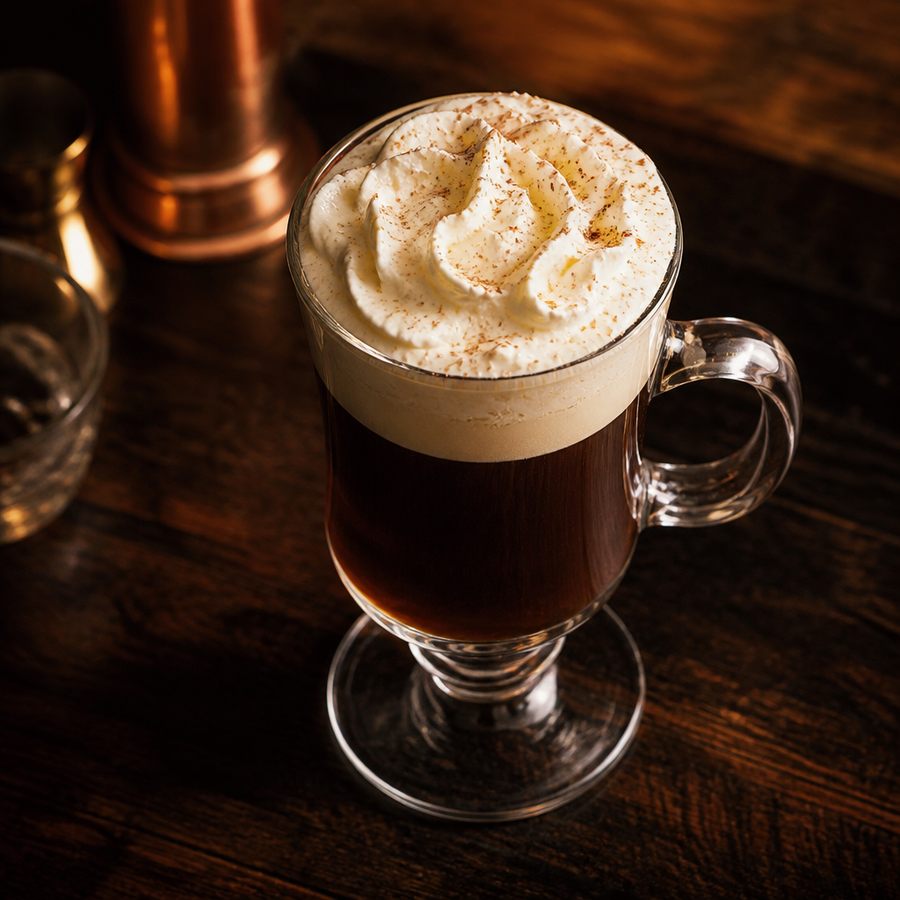
The only cocktail with a precise address and date: Foynes Airport, County Limerick, winter of 1943. A seaplane flight to New York was turned back due to weather, and the frozen passengers returned to the terminal in the middle of the night, where chef Joe Sheridan brewed them coffee with whiskey and cream. When asked if it was Brazilian coffee, he replied: Irish. Nine years later, American journalist Stanton Delaplane brought the recipe to San Francisco, to the Buena Vista bar — and the drink became world-famous.
Ingredients
- Irish whiskey — 45 ml
- Coffee — 240 ml
- Sugar — 5 ml
- Whipped cream — 15 ml
How to prepare
- Heat the coffee, whiskey, and sugar in a saucepan, but do not bring to a boil.
- Pour the mixture into an Irish coffee glass.
- Add whipped cream on top.
- Serve hot.
Tip: The cream should be whipped not to peaks, but to a thick ribbon — then it will sit on top and not sink. And you’re supposed to drink through it, without stirring: hot coffee through cold cream is the whole point.
9. France, Paris — French 75
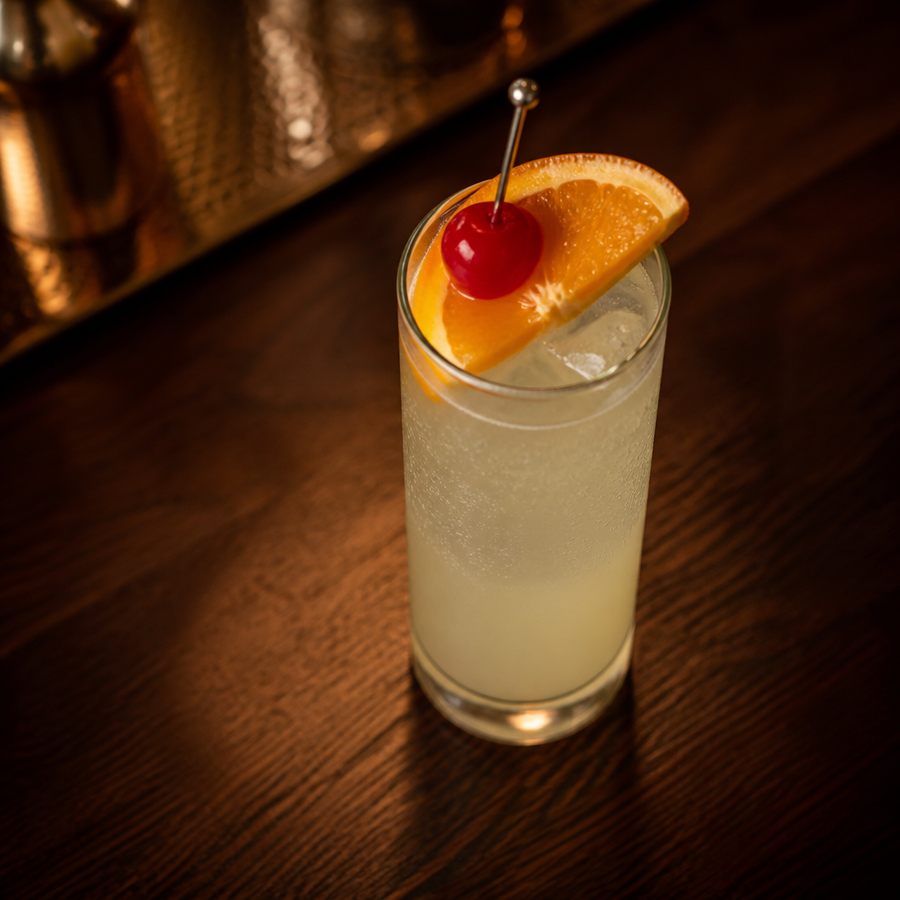
Named after an artillery piece — the French 75mm field gun from World War I, known for its rapid fire. The logic is simple: the effect of the cocktail is about the same. The recipe is linked to the Parisian Harry's New York Bar and Harry MacElhone, appearing in print in the late twenties. Essentially, it’s a Tom Collins where soda is replaced with champagne — and this is exactly the case where the substitution changes everything.
Ingredients
- Gin — 45 ml
- Lemon juice — 22.5 ml
- Sugar — 2 tsp fine
- Champagne — 120 ml
How to make it
- Combine gin, sugar, and lemon juice in a shaker with ice.
- Shake vigorously.
- Strain into a chilled glass.
- Top up with champagne.
- Gently stir.
Tip: Add the champagne last and down the side. And don’t use a sweet sparkling wine: there’s already sugar in the cocktail, brut is the only right choice here.
10. Italy, Venice — Bellini (Bellini)
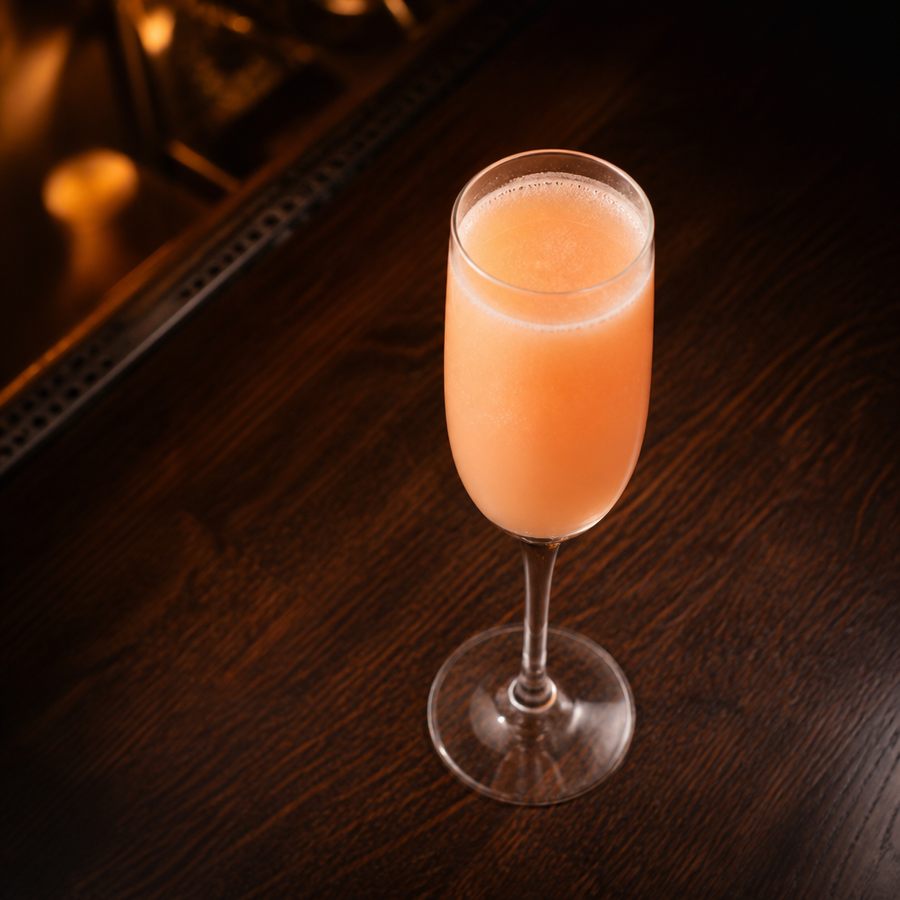
Giuseppe Cipriani, the founder of Harry's Bar in Venice, came up with it in the late forties and named it after Giovanni Bellini — the color of the drink reminded him of the pink toga in the artist's painting. The original is quintessentially Venetian: purée made from the white peach variety that grows in those parts, and prosecco. Behind the bar at Harry's Bar, they still make it that way, and everything else is considered approximate.
Ingredients
- Sparkling wine — 180 ml
- Peach purée or peach schnapps — 30 ml
How to make
- Pour the peach purée (originally from white peaches) into a chilled champagne flute.
- Add the sparkling wine.
- Gently stir.
Tip: the purée should be cold, otherwise the sparkling wine will foam up and escape. And use prosecco, not champagne: it has a softer acidity and fewer yeasty notes, giving the peach more room to shine.
Ten points on the map — and in almost every one, you can see what the drink grew from. In Cuba, there was rum and limes, in Puerto Rico, canned coconut cream appeared, in Bermuda, sailors brewed ginger beer, in New Orleans, a pharmacist sold bitters, and in Ireland, it was just very cold. Cocktails are almost never invented — they are assembled from what’s nearby.
If you want to continue your journey: Italy will give you more Negroni, Americano, and Hugo, Mexico — Batanga and Oaxaca Old-Fashioned, Cuba — Mojito and Cuba Libre. And in the catalog, each recipe lists its homeland in the history section.
All cocktails are in the catalog →
Mark the bottles on your shelf — the site will show you what you can mix right now →