Shake, stir, build: five bartender techniques that replace half of bartending school
Material 18+. Excessive alcohol consumption is harmful to your health.
Updated
The bar menu looks like a hundred different recipes, but a bartender's hands make just five moves. Shake, stir, build, muddle, and layer — that's the whole alphabet; cocktails differ by the letters of their ingredients, but are read with these five techniques. Master them — and any recipe from the catalog will stop being an instruction manual for assembling a cabinet: you'll see a familiar movement behind the list of ingredients.
Good news: none of the techniques require talent — just an understanding of why they're needed. There's no bad news. Let's break down all five, each with a standard cocktail for practice.
Technique 1 — Shake: cold, air, and strength
Shaking is not just 'to mix': it's ten to fifteen seconds of vigorous shaking, during which the drink cools down almost to zero, gets diluted with melting ice (that's part of the recipe!), and is infused with air. Everything that contains juice, cream, or egg gets shaken — they really need to mix. Hold the shaker with both hands — the lid loves to fly off at the most dramatic moment — and shake until the metal burns your palms with frost.
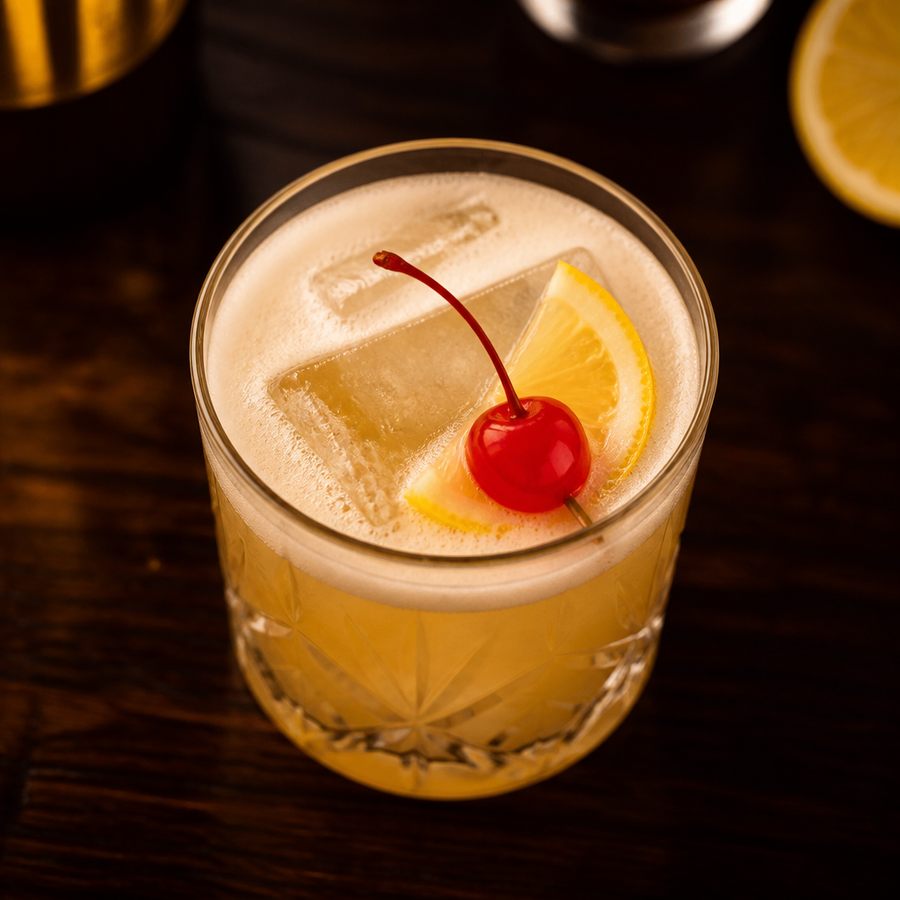
A separate technique is the dry shake for cocktails with egg white: first, shake without ice to whip the egg white into a foam, then add ice and shake again. The standard for practice is the Whiskey Sour: you can see and hear everything with it.
Technique 2 — Stir: silk and clarity
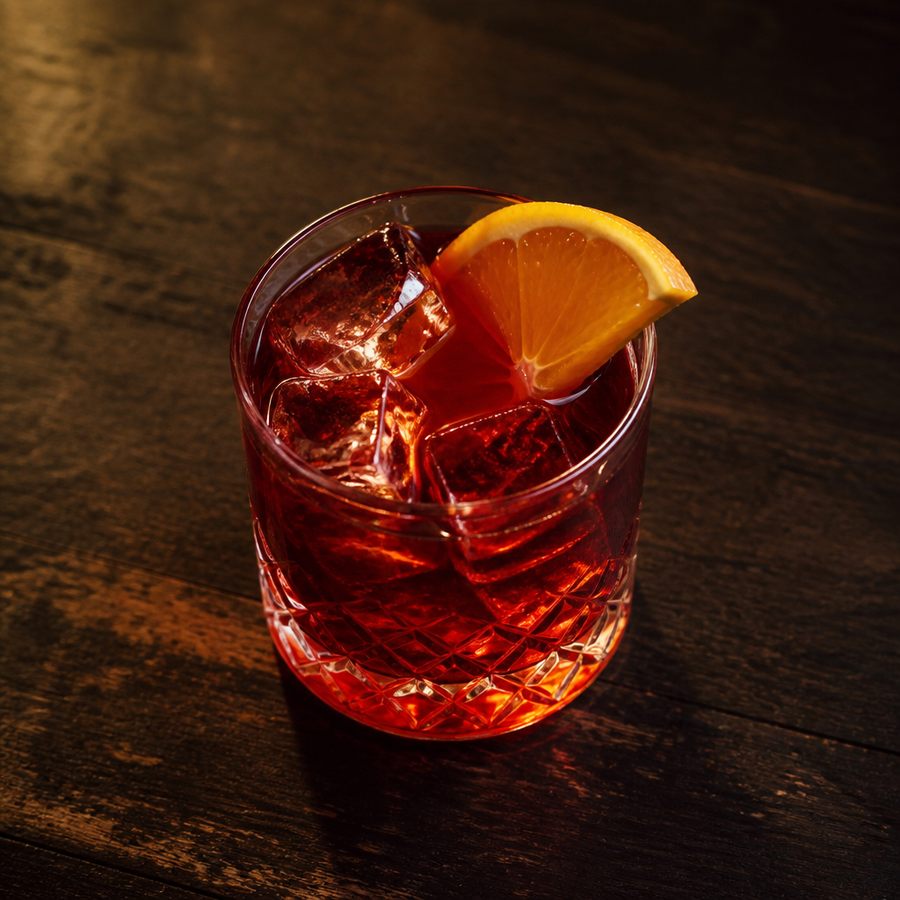
Stirring is the quiet brother of shaking. Everything clear and strong — from spirits, vermouths, liqueurs, to bitters — is mixed with a spoon and ice for fifteen to twenty seconds: the cocktail cools and dilutes just the same, but remains crystal clear and silky, without foam or cloudiness. Shaking a Negroni or Manhattan is a mistake of the same order as putting ketchup in risotto.
The movement — not 'stirring tea': the bar spoon glides along the wall of the glass, the ice rotates as a single cylinder, almost silently. In the beginning, count the revolutions — about thirty. The standard is the Negroni: three ingredients, zero forgiveness.
Technique 3 — Build: assemble right in the glass
The most honest technique: ingredients are poured one by one into the serving glass, over ice — and that's it. This is how highballs live: gin and tonic, Cuba Libre, Americano. There are three secrets: ice — to the top and first, soda — last and down the wall, mixing — one movement from bottom to top, to lift the heavy lower layer without breaking the bubbles.
Building is often underestimated: if it's simple — it must be unimportant. In reality, in a cocktail assembled in the glass, every carelessness is on display: warm soda, a half-empty glass of ice, a spoon-mixer. Simplicity requires precision.
Technique 4 — Muddle: aroma without bitterness
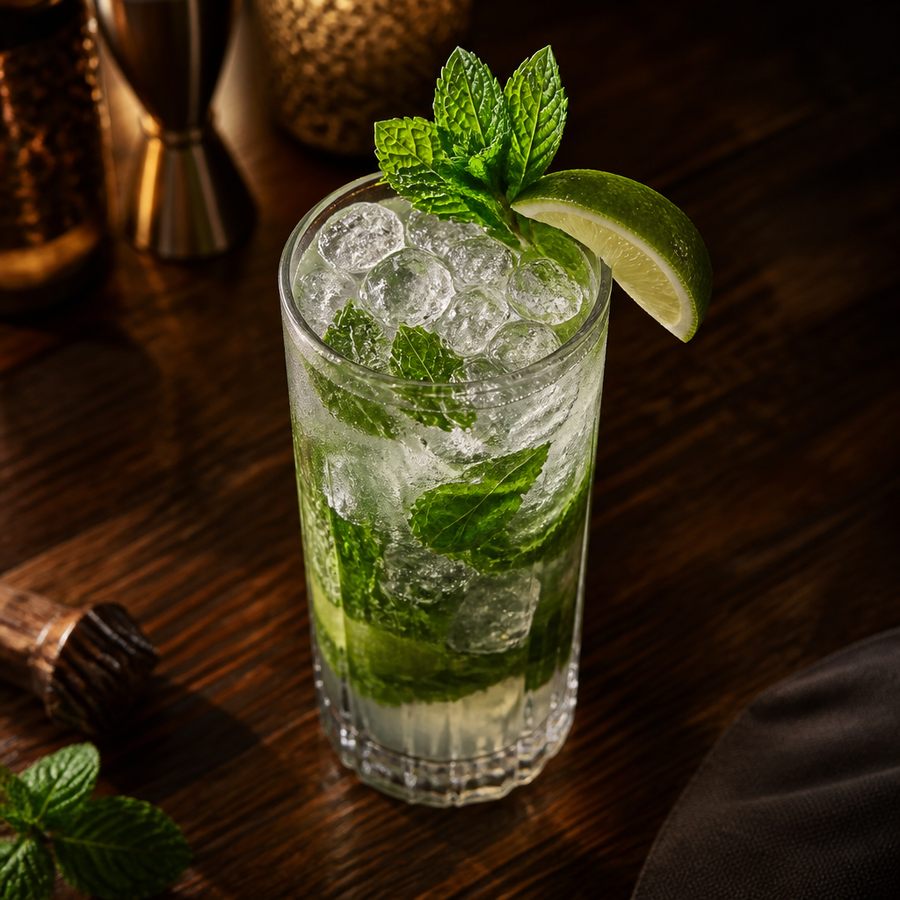
A muddler is a pestle for the glass: it crushes mint, presses lime with sugar, releases berries. The key word is 'crush': the task is to release aromatic oils and juice, not to mash the greens into a pulp. Crushed mint is bitter, and over-muddled lime zest even more so; three to four gentle presses with a twist is enough.
At home, a muddler is replaced with a rolling pin or the handle of a wooden spoon. The standard is the Mojito: in it, muddling meets building, and with the first sip, it's immediately clear whether the movement was gentle or vengeful.
Technique 5 — Layer: Layers of Liqueurs
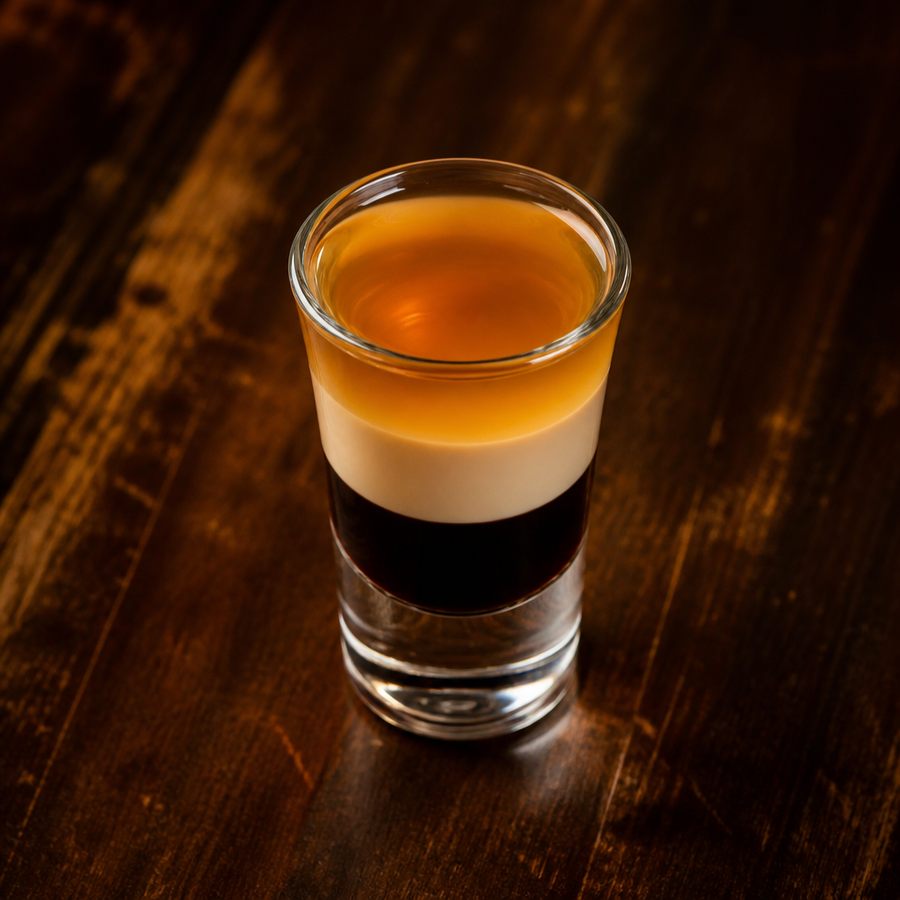
The layering technique relies on high school physics: liqueurs have different densities, heavy sweet ones sink, strong light ones float. Pour from heavy to light, along the back of a bar spoon pressed against the side of the glass, in a thin stream — and the liquids will settle in layers. All bottles should be from the fridge: cold makes the layers behave better.
The order in the recipe is not a suggestion, but a structure: mix them up — and the layers will merge. The gold standard of the genre is the B-52: coffee, cream, orange, three stripes in one glass.
Five moves — and the world cocktail menu is in your hands: juice and cream — shake, clear — stir, highball — build, herbs and berries — muddle, a glass with layers — layer. Now, when reading any recipe, first find the technique in it, then the ingredients: that's how bartenders are taught, and it's the easiest way to learn at home. One practice for each technique — and the words 'complex cocktail' will disappear from your vocabulary.
All cocktails — in the catalog →
Mark the bottles on your shelf — the site will show you what you can mix right now →