7 mistakes of a home bartender: why cocktails 'like in a bar' don't work at home
Content 18+. Excessive alcohol consumption is harmful to your health.
Updated
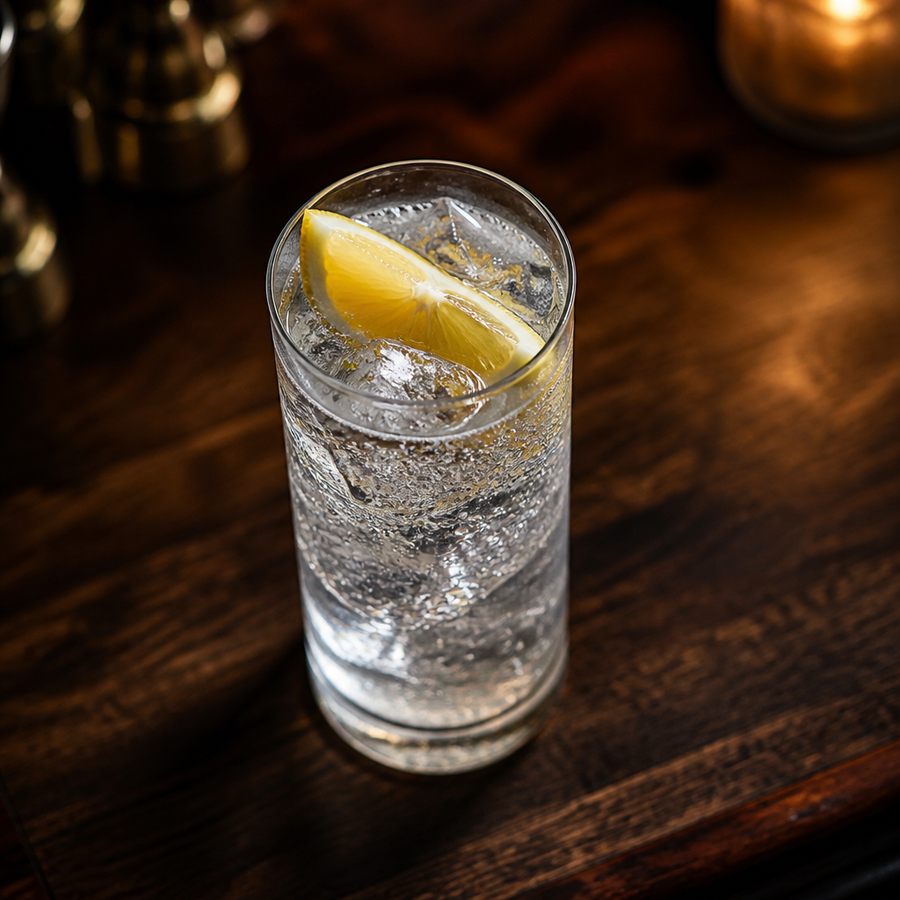
Over the years behind the bar, I've heard hundreds of versions of the phrase 'I make the same thing at home, but it doesn't turn out right.' People blame 'secret ingredients,' special ice made from fancy water, and magical shakers that cost a fortune. The truth is both dull and pleasant: in nine out of ten cases, a homemade cocktail is ruined by the same seven mistakes — and all seven can be fixed for free, tonight.
Go through the list honestly: you’ll probably recognize yourself in at least three points. I did — in all seven, a long time ago.
Mistake 1 — Not enough ice
Intuition says: 'less ice means less water in the drink.' Physics says: the opposite. A couple of cubes in a warm glass melt instantly — there’s your water. A full glass of ice acts like a refrigerator: the mass chills the drink and melts slowly. Ice is the bar's main consumable: there should be an indecent amount, always. Check it with the classic — gin and tonic: a full highball glass of cubes to the top, and the drink will last until the last sip.
Mistake 2 — Juice from a carton
Lemon and lime juice from bottles and cartons is just canned acid without aroma, orange juice from a box is sugary syrup. In a cocktail where citrus makes up a quarter of the volume, the substitution is noticeable from the first sip. The rule is simple: citrus should be squeezed on the day of use, better yet — within the hour. One lime yields about 20–30 ml of juice, a lemon — 30–45; calculate for the recipes and buy extra: fresh citrus is the cheapest way to elevate your home bar.
Mistake 3 — Pouring by eye
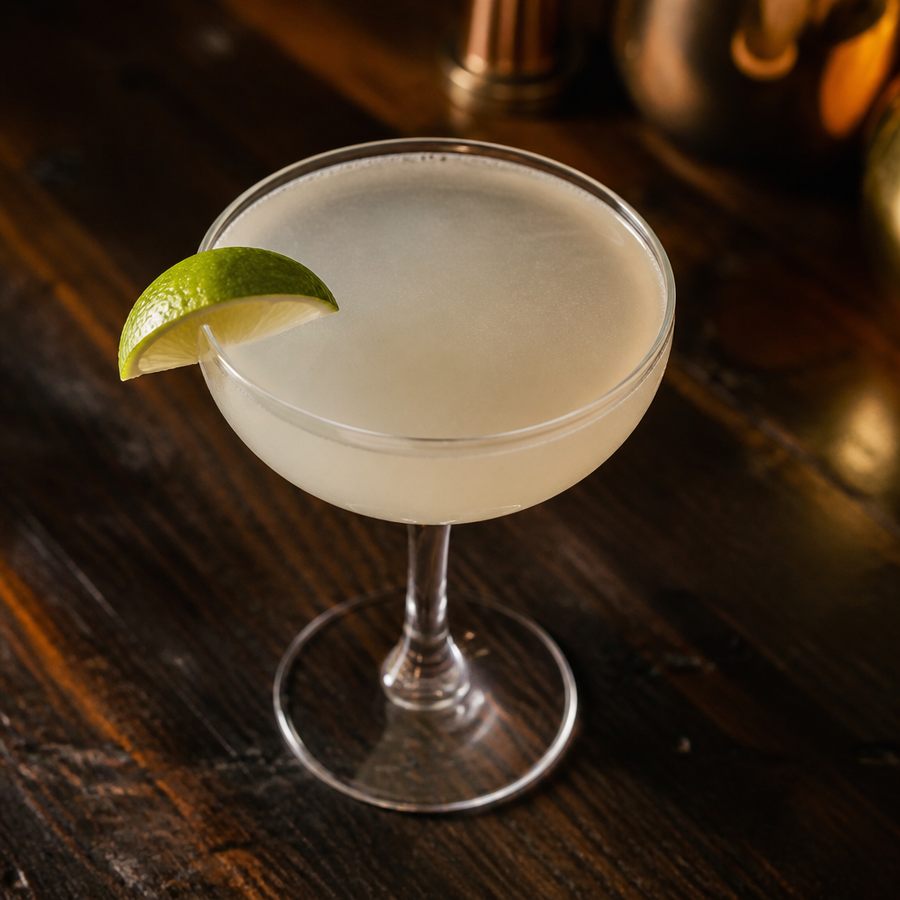
'I feel it out' — that’s how cocktails are born that are different every time and never quite right. Classic recipes are balanced to within five milliliters: overpour syrup — it’s cloying, overpour citrus — it’s sour, overpour spirit — it’s harsh. A jigger costs as much as a cup of coffee and solves the problem forever. A test cocktail — daiquiri: rum, lime, sugar, there’s nowhere to hide, and with a jigger, it comes out right the first time.
Mistake 4 — Everything Warm
A warm glass, tonic from the cupboard, vermouth from the shelf by the stove. A cocktail is all about temperature: glasses for serving 'neat' should live in the freezer for at least ten minutes, all carbonation should always be in the fridge, opened vermouth and wine-based liqueurs should also be in the fridge (and not longer than a month or two). This mistake is especially ruthless to sparkling cocktails and martinis: a warm martini is just a shot of gin with sadness.
Mistake 5 — Shake where a spoon is needed (and vice versa)
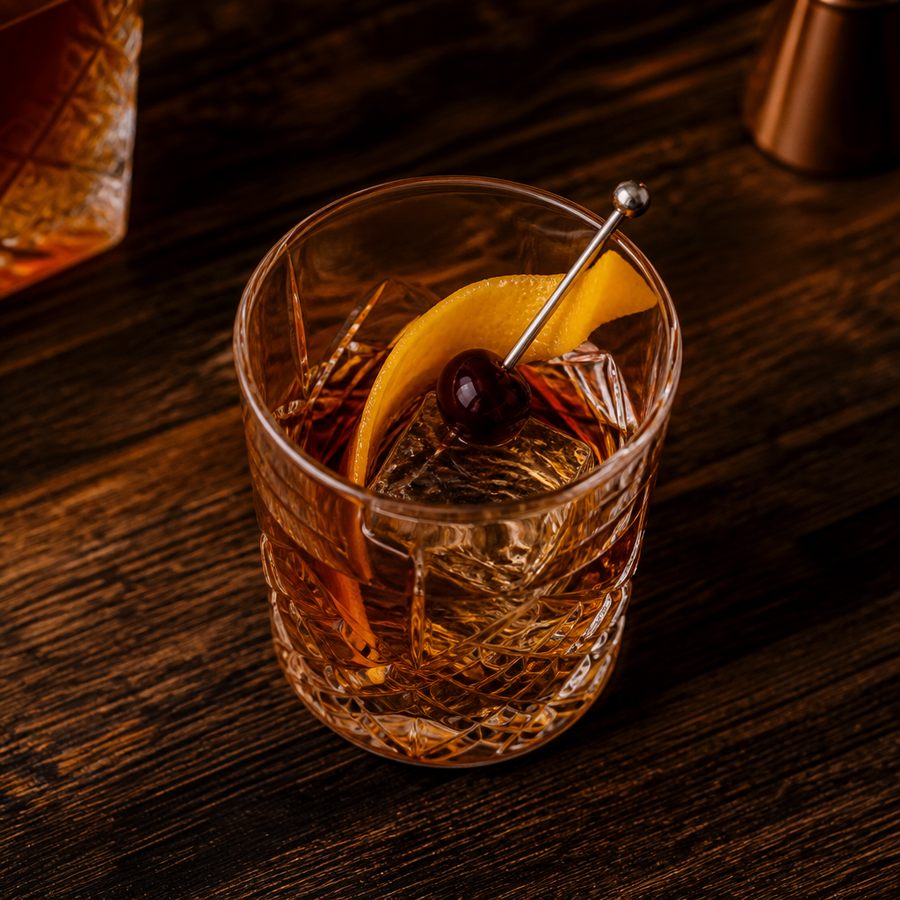
Bartender's rule: everything clear gets stirred, everything with juice, cream, and egg gets shaken. Shaking saturates the drink with bubbles and micro-ice — it suits a sour, but breaks the texture and appearance of a Manhattan or Negroni: instead of silk, you get a cloudy suspension. And the reverse mistake: lazily 'stirring' a whiskey sour with a spoon — the egg white and juice won't combine. It's easy to remember with two standards: Old Fashioned — always a spoon, Whiskey Sour — always a shaker.
Mistake 6 — Soda Ruined by a Spoon
Tonic, soda, sparkling — they are poured last, down the side of the glass, and mixed with one motion from bottom to top. Every extra turn of the spoon knocks out the carbon dioxide, and along with it — all the freshness: a deflated highball can't be saved by anything. Also, screw the cap back on the soda right away, and don't buy liter bottles for cocktails at all: after the second opening, it's just flat water.
Mistake 7 — Saving in the Wrong Place
Expensive alcohol with cheap tonic, packaged juice, and 'raspberry' syrup from the supermarket — the most frustrating waste of money in a home bar. It works the other way around: mid-priced spirit with fresh citrus, good soda, and real grenadine outplays a premium bottle in bad company. Upgrade everything around the alcohol first — you'll feel the difference in the very first glass, and your wallet won't even notice.
Seven mistakes — seven free upgrades: plenty of ice, fresh citrus, jigger, cold everything, proper technique, respect for bubbles, and sensible priorities in purchases. Fix them all at once — and the phrase 'like in a bar' will stop being a compliment to someone else's cocktails: it will become a description of yours. And it's easiest to practice on the classics — they immediately show you what you're doing wrong, and immediately thank you when you do it right.
All cocktails are in the catalog →
Mark the bottles on your shelf — the site will show you what you can mix right now →